Immanuel Kant’s Phenomenal/Noumenal Distinction

April 9, 2026

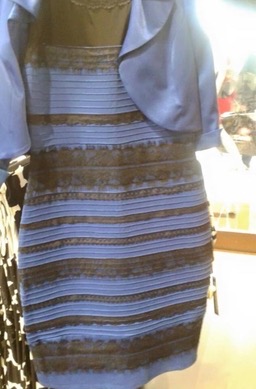
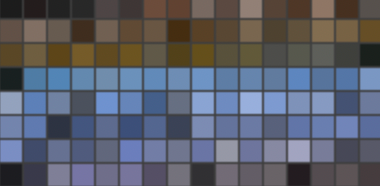
What colors do you see in the image?
What colors do you see in the image?
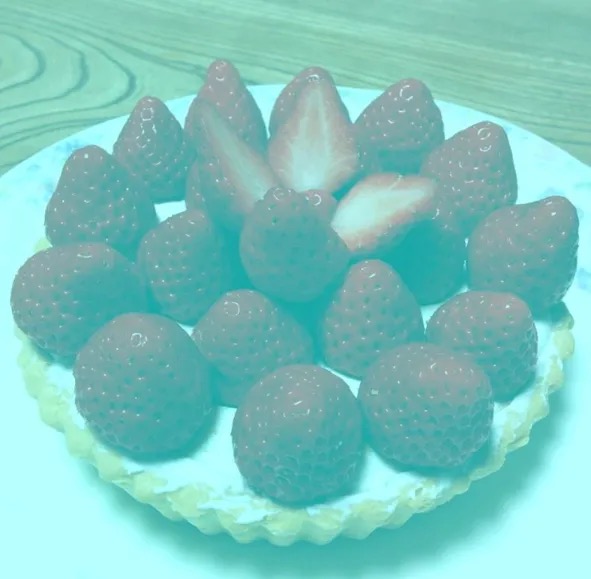
What colors do you see in the image?
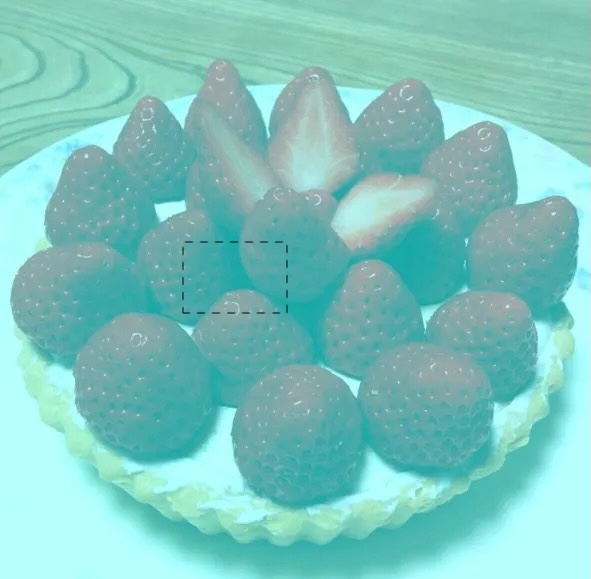
What colors do you see in the image?

Immanuel Kant (1724–1804)
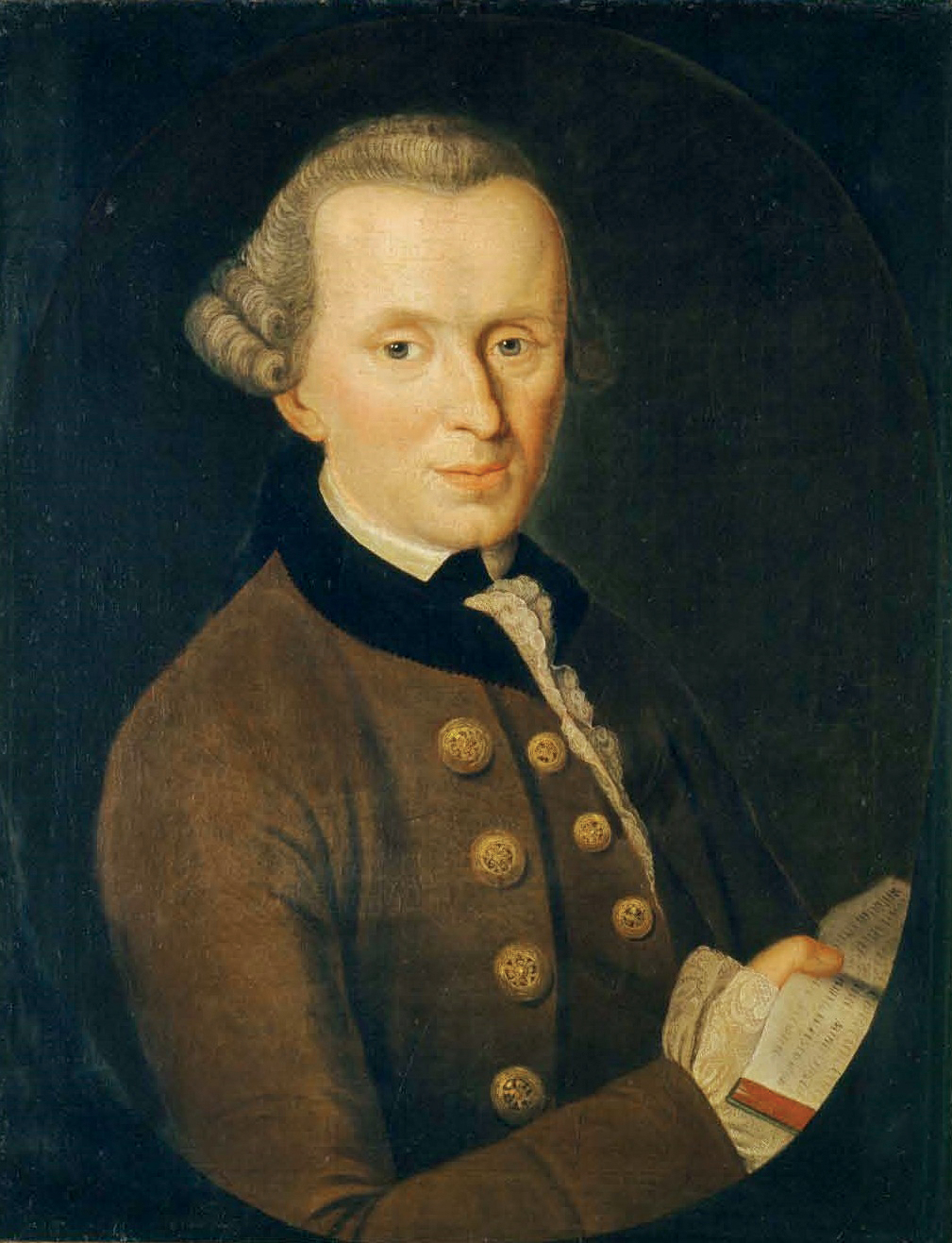
 

  • Lived in Königsberg, Prussia and never traveled more than 100 miles from there.
  • In science: Introduced the idea of a galaxy into modern science
  • In philosophy:
    • Introduced a highly influential moral theory
    • Introduced a highly influential theory of knowledge

Phenomenal/Noumenal Distinction

Kant’s theory of knowledge led to the following distinction.
 

There are two worlds

  • The phenomenal world (things as they appear to us)
  • The noumenal world (things as they really are)

Two Theories to Knowledge

Before Kant the leading theories of knowledge were:

Rationalism
Empiricism
Innate Knowledge
We have knowledge of some truths as part of our nature.

Two Theories to Knowledge

Before Kant the leading theories of knowledge were:

Rationalism

Empiricism

Innate Knowledge

 Innate Knowledge

The Impression Model of Experience

Before Kant Aristotle’s impression model was the dominate theory of experience.
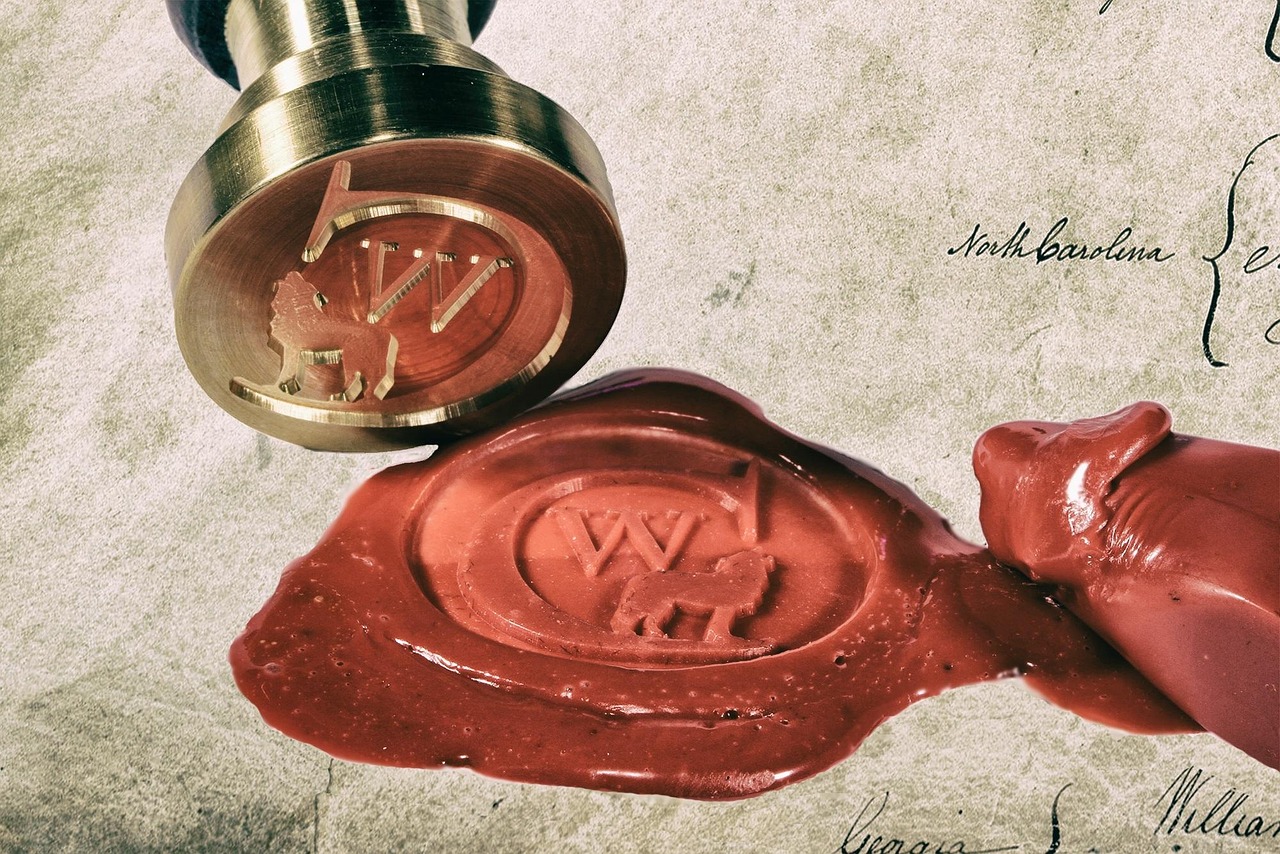


Like a signet-ring presses form into wax, in experience the world puts form into the mind.
(See Aristotle On the Soul, 424a).

Kant’s Transcendental Idealism

Kant disagrees with Aristotle. He argues that the mind contributes to experience.

Kant’s Transcendental Idealism

According to Kant you are born with something similar to innate knowledge.

Your mind is wired to experience the world through categories your mind imposes on the world.

Kant’s Categories Simplified

Your mind filters your experience through categories like:

  • cause and effect
  • space and time
  • substance and accidents

Kant’s Categories

Quantity

  • Unity
  • Plurality
  • Totality

Relation

  • Inherence and Subsistence (substance and accident)
  • Causality and Dependence (cause and effect)
  • Community (reciprocity)

Quality

  • Reality
  • Negation
  • Limitation

Modality

  • Possibility
  • Existence
  • Necessity

Phenomenal/Noumenal Distinction

Once we accept Kant’s theory that both the world and our mind contribute to experience, …
   … we end up with his phenomenal/noumenal distinction.
 

There are two worlds

  • The phenomenal world (things as they appear to us)
  • The noumenal world (things as they really are)

What colors?

What colors?

Sources and Image Credits

Primary Sources

  • Immanuel Kant’s Critique of Pure Reason and Critique of Practical Reason.
  • Aristotle’s On the Soul.

Secondary Sources

Image Credits